You’ve probably seen the videos. You know the ones—grainy, handheld footage of people leaning at impossible angles, sidewalk tents stretching for blocks, and the constant, low-frequency hum of the "El" train overhead. For a long time, Kensington Avenue Philadelphia PA wasn't just a street; it was a viral shorthand for the American opioid crisis.
But if you actually walk the Avenue today, early in 2026, the vibe is... different. Not "fixed." Not "solved." But different.
Honestly, the "Walmart of Heroin" nickname that The New York Times coined years ago doesn't quite fit the current reality on the ground. There’s a massive, messy, and highly controversial transformation happening right now under Mayor Cherelle Parker’s "Kensington Community Revival" plan. Some people call it a long-overdue rescue. Others call it a "war on the poor."
Here is what’s actually happening on Kensington Avenue right now, beyond the 30-second TikTok clips.
The 2026 Reality: Sweeps, Sidewalks, and the "Wall"
Starting in 2024 and hitting a fever pitch throughout 2025, the city shifted from "containment" to "enforcement." For decades, the unofficial policy was basically to let the open-air drug market exist in Kensington so it wouldn't spread to Center City or the more affluent "L" neighborhoods like Fishtown.
That’s over.
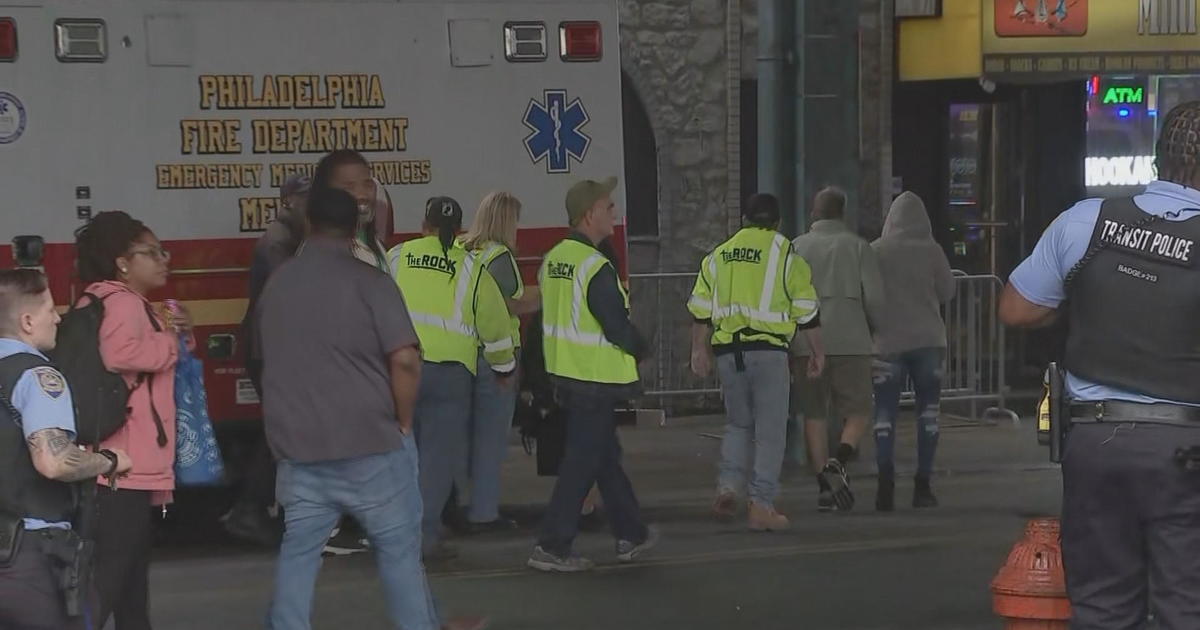
You’ll notice the sidewalks are significantly clearer. The massive encampments that used to block the intersections of Kensington and Allegheny (K&A) or Kensington and McPherson have been dismantled through a series of "encampment resolutions."
The city has been aggressive. They’ve towed over 450 abandoned vehicles and addressed hundreds of nuisance properties in the last year alone. If you stand under the tracks at K&A now, you’ll see a heavy, permanent police presence—what locals are calling the "enforcement wall."
But where did everyone go?
That’s the $1 billion question. While the city has opened new "Wellness Villages" like the 336-bed facility in Northeast Philly and the Philly Home at Girard, the reality is that many people were simply pushed a few blocks east or west. The crisis hasn't vanished; it’s just less visible from the window of the Market-Frankford Line.
Why the "Zombie" Narrative is Only Half the Story
It is easy to look at the struggles and forget that 30,000 people actually live here. They aren't "zombies." They’re grandmothers, school kids, and shop owners who have been shouting for help for thirty years.
Kensington was once the "Workshop of the World."
In the early 20th century, these streets were lined with textile mills and carpet factories. When deindustrialization hit in the 50s and 60s, the jobs left, but the people stayed. The poverty that followed created a vacuum that the drug trade filled by the 1970s.
Today, there’s a weird, gritty sort of hope popping up in the cracks.
Have you heard of Lua Vietnamese? It’s a new spot that opened right on the Avenue. Then there’s The Waxery, a candle shop owned by a Kensington native trying to uplift her neighborhood one scent at a time. These aren't "gentrification" projects in the traditional sense; they’re local survival.
The Numbers You Should Know
- Shootings: Down about 44% since the crackdown began.
- Homicides: Down 45% in the neighborhood, outpacing the rest of Philly.
- Drug Arrests: They skyrocketed. Seller arrests are up nearly 60%.
- Real Estate: Median prices hit $123k in late 2025—up 22% from the year before.
It’s a paradox. The neighborhood is statistically safer in terms of gun violence, but the "quality of life" enforcement has made it a much more tense place to navigate if you're struggling with addiction.
The Controversial "Permit" Era
One of the biggest shifts in 2026 is how aid is delivered. For years, independent groups would just pull up with a van and hand out sandwiches or Narcan.
Not anymore.
The city now requires strict permits for food distribution and aid on the Avenue. The goal, according to the Parker administration, is to "reset the norms" and ensure the sidewalks don't become crowded again. Critics, like many of the volunteers at Prevention Point Philadelphia, argue this just makes it harder to keep people alive.
If you’re looking for the heart of the resistance to the city’s new plan, you’ll find it in these harm-reduction circles. They argue that "cleaning" the street without providing enough low-barrier housing just results in more people dying in alleys where nobody can find them.
Is Kensington "Gentrifying"?
Sort of. It depends on which side of Lehigh Avenue you’re standing on.
To the south, Fishtown and Olde Kensington are almost unrecognizable from ten years ago. Luxury apartments with floor-to-ceiling windows look out over the same El tracks that, three stops north, overlook a very different reality.
In "Upper" Kensington, the change is slower but real. Investors are betting on the city’s $100 million "revival" plan. The New Kensington Community Development Corporation (NKCDC) is buying up "anchor" properties to prevent them from becoming drug dens, trying to turn them into community hubs instead.
But for the average resident, the biggest change in 2026 isn't a new coffee shop. It's the fact that their kid might be able to walk to the Scanlon Recreation Center—which just got a massive investment from the Flyers and 76ers—without stepping over a needle.
Actionable Steps for Navigating or Supporting Kensington
If you’re visiting, moving nearby, or just want to help, stop looking at the neighborhood through a lens.
- Support Local Business: Don't just gawk. If you're in the area, grab a sandwich at Martin’s Deli or a Thai chili bowl at Lee’s Dumplings. Economic foot traffic is the only thing that will actually sustain the Avenue long-term.
- Volunteer with Purpose: Instead of "rogue" feeding, connect with established groups like The Everywhere Project or NKCDC. They understand the new 2026 legal landscape and the specific needs of the residents.
- Low-Barrier Work: If you know someone in the area looking for a way out, the CLIP Same Day Work & Pay Program at 2755 Kensington Ave offers $50 a day for cleaning projects. It’s a small, immediate way for people to regain a sense of agency.
- Stay Informed, Not Exploitative: Avoid "poverty porn" creators. Follow local outlets like Kensington Voice, which is actually run by people who live on these blocks and covers the nuances of housing workshops and SNAP cuts, not just the chaos.
Kensington Avenue is currently a massive social experiment. The city is trying to prove that you can "police" your way out of a drug crisis if you pair it with enough cleaning crews and shelter beds. Whether that's true—or if the "zombie city" is just being hidden behind a fresh coat of paint—will become clear by the end of this year.