Laws change. Sometimes they change so fundamentally that the public consciousness takes years to catch up. For decades, the age of consent Philippines was famously—or perhaps infamously—set at 12 years old. It was a holdover from a 1930s-era Revised Penal Code that stayed on the books for nearly a century. If that sounds shockingly low, that's because it was. It made the country an outlier in the international community and a target for criticism from human rights groups and child advocates alike.
But everything flipped in 2022.
The signing of Republic Act No. 11648 wasn't just a minor tweak to a legal document. It was a massive, seismic shift in how the Philippine state protects its youth. It raised the age of statutory rape from 12 to 16. Honestly, if you are still operating on the assumption that "12 is the number," you are looking at a legal reality that no longer exists and hasn't for years.
Why the Age of Consent Philippines Shift Happened
The pressure had been building for a long time. Groups like UNICEF and local NGOs like the Child Rights Network had been screaming into the void for years about how the 12-year-old threshold essentially legalized statutory rape in many cases. The old law was archaic. It didn't reflect modern understanding of child development or the grooming tactics used by predators.
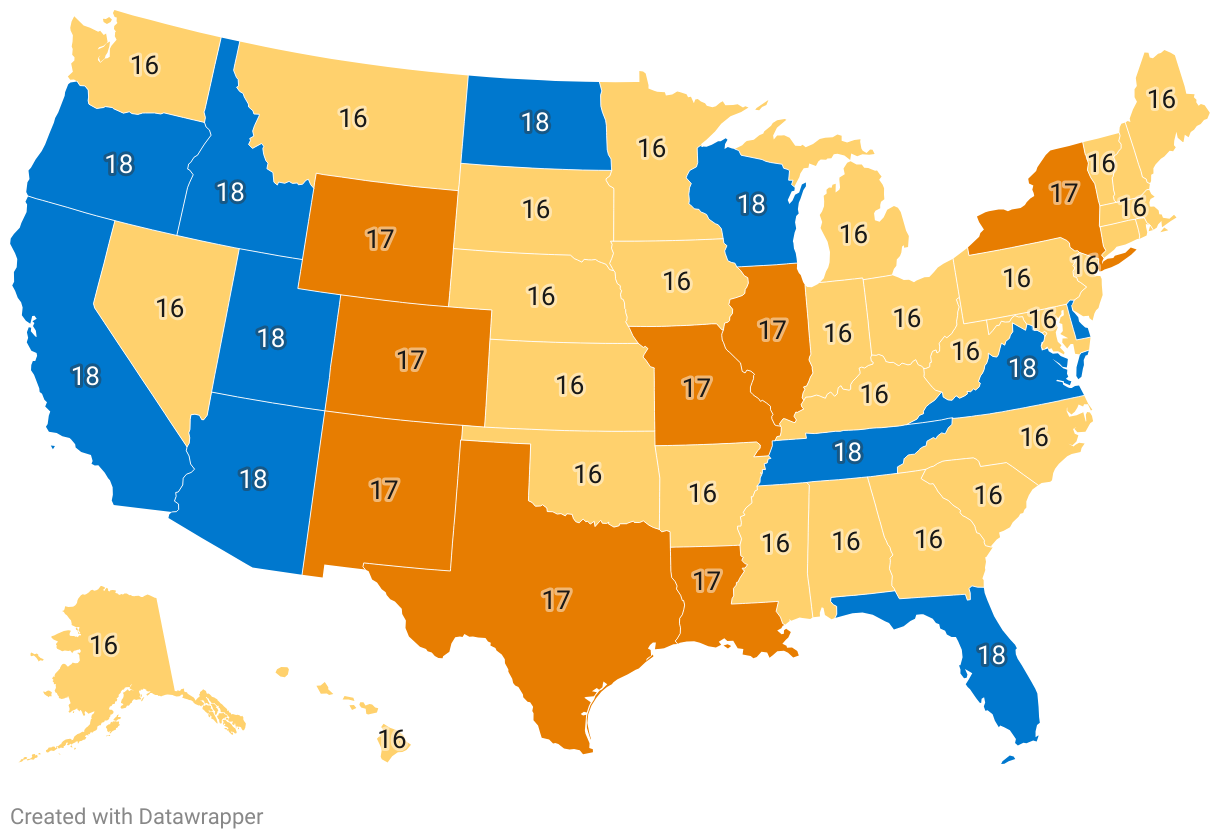
Before the change, the Philippines had one of the lowest ages of consent in the world. Think about that. Most of our neighbors and global peers were sitting at 16, 17, or 18. Being at 12 was a massive red flag for human rights monitors.
When President Rodrigo Duterte signed RA 11648 into law on March 4, 2022, it was seen as a major victory. But laws aren't just about ink on paper; they're about the "Close Proximity" rule and the nuances of how the court actually views a relationship between two people.
The 16-Year-Old Rule
So, here is the baseline. If a person is under 16, they cannot legally consent to sexual activity. Period. It doesn't matter if they said "yes." It doesn't matter if they "initiated" it. In the eyes of Philippine law, a 15-year-old lacks the legal capacity to agree to these acts. If an adult engages in such acts with them, it is statutory rape.
The "Romeo and Juliet" Exception (Close Proximity)
Now, this is where people get confused. Does the law mean two 15-year-old high school sweethearts are both criminals?
Not exactly.
The lawmakers weren't interested in throwing every teenager in jail for exploring their sexuality with someone their own age. To handle this, they introduced the Close Proximity Clause. This is a specific legal carve-out that acknowledges that "peer-to-peer" relationships are different from predatory ones.
- The "victim" (the younger person) must be at least 13 years old.
- The age gap between the two people must be no more than three years (36 months).
- The act must be "consensual, non-exploitative, and non-abusive."
Basically, if a 14-year-old and a 16-year-old are dating, the law generally stays out of it, provided there isn't some form of abuse or coercion happening. However, if a 25-year-old is with a 15-year-old, the "three-year gap" is long gone. That adult is looking at a statutory rape charge, and "but they loved me" isn't a valid legal defense in the Philippines anymore.
Breaking Down Republic Act No. 11648
The law didn't just change a number. It rewired several parts of the penal code to make it harder for offenders to slip through the cracks.
One of the most important aspects is the removal of the "presumption of consent" based on the appearance of the minor. In the past, some defense lawyers would argue that a child "looked older" or "acted mature." Under the current age of consent Philippines framework, that argument is dead on arrival. The law cares about the birth certificate, not the eyeliner or the height of the person.
Also, the law strengthened the penalties. We are talking about reclusion perpetua in many cases. That is essentially 20 to 40 years in prison. It’s heavy. It’s supposed to be.
The Role of Duty to Report
Another layer that people often overlook is the obligation of professionals to report suspected abuse. Under the Special Protection of Children Against Abuse, Exploitation and Discrimination Act (RA 7610), which works in tandem with the new age of consent rules, teachers, doctors, and even neighbors have a moral and often legal weight to report.
If a doctor sees a 14-year-old who is pregnant, they aren't just looking at a medical case. They are looking at a potential crime scene. This creates a safety net that didn't exist with the same teeth when the age was 12.
Common Misconceptions That Still Persist
You'll still hear people at the barangay level or on social media saying the age is 12. They are wrong. It’s dangerous misinformation.
- "They looked 18." Doesn't matter. The burden is on the adult to know the age of their partner.
- "The parents gave permission." Parents cannot "consent" away their child's rights. Even if the parents of a 15-year-old agree to a "marriage" or a relationship with an older man (often seen in some rural areas or specific cultural pockets), the state can still prosecute.
- "It was a long-term relationship." Duration does not equal legality. If the age gap violates the 3-year rule and the minor is under 16, it’s a crime from day one.
The Cultural Impact of 16 vs 12
Raising the age of consent Philippines wasn't just a legal move; it was a cultural statement. It signaled that the Philippines was no longer a "soft" destination for certain types of exploitation. For years, the low age of consent was a loophole exploited by domestic and foreign predators.
By aligning with international standards, the government basically told the world that Philippine children are not "miniature adults."
However, enforcement remains the big hurdle. The Philippines is an archipelago with thousands of islands and deeply remote mountain villages. In many of these places, "customary law" or traditional practices sometimes clash with the national law. Social workers from the Department of Social Welfare and Development (DSWD) often find themselves trying to explain RA 11648 to families who still think a 14-year-old is "ready" for marriage.
What Should You Do If You Suspect an Offense?
If you are a parent, a teacher, or just a concerned citizen, knowing the law is the first step. If you encounter a situation where the age of consent Philippines law is being violated, the process for reporting is specific.
- Contact the PNP Women and Children Protection Center (WCPC): They have specialized units trained to handle these cases without further traumatizing the minor.
- The DSWD: They provide the "protective custody" and psychological support needed.
- Barangay VAWC Desk: Every barangay is required to have a Violence Against Women and Their Children (VAWC) desk. While quality varies, it’s the most immediate local resource.
Realities of Prosecution
Let's be real: the Philippine justice system is slow. A case involving statutory rape can drag on for years. This is why many families unfortunately opt for "settlements." But here’s the kicker—under Philippine law, criminal liability for rape (including statutory) is not extinguished by a simple payment or settlement between families. The state is the one filing the charges. Even if the family "forgives" the offender, the prosecutor can still push the case forward.
Moving Forward: Actionable Steps
The change to 16 was a massive win, but it’s only the beginning. Protection requires more than a law; it requires vigilance and education.
- Check the Birth Certificate: If you are an adult entering a relationship with someone who looks young, don't take their word for it. Social media "ages" are often fake. Ask for an ID. If that feels awkward, then you probably shouldn't be in that relationship anyway.
- Educate the Youth: Teenagers need to know about the Close Proximity rule. They need to understand that while they have some freedom with peers, they are legally protected from older individuals.
- Support Local NGOs: Groups like ECPAT Philippines or Plan International are on the ground doing the work that the government sometimes can't reach. Supporting them helps with the "human" side of the law.
- Monitor Online Activity: A huge portion of statutory crimes now start on apps like TikTok, Messenger, or gaming platforms. Predators don't need to be in the same city to groom a 14-year-old.
The shift in the age of consent Philippines from 12 to 16 is one of the most significant legal updates in recent Philippine history. It closed a loophole that had stayed open for way too long. Whether you're a legal professional, a student, or a parent, understanding that 16 is now the "line in the sand" is non-negotiable for staying on the right side of the law and keeping kids safe.