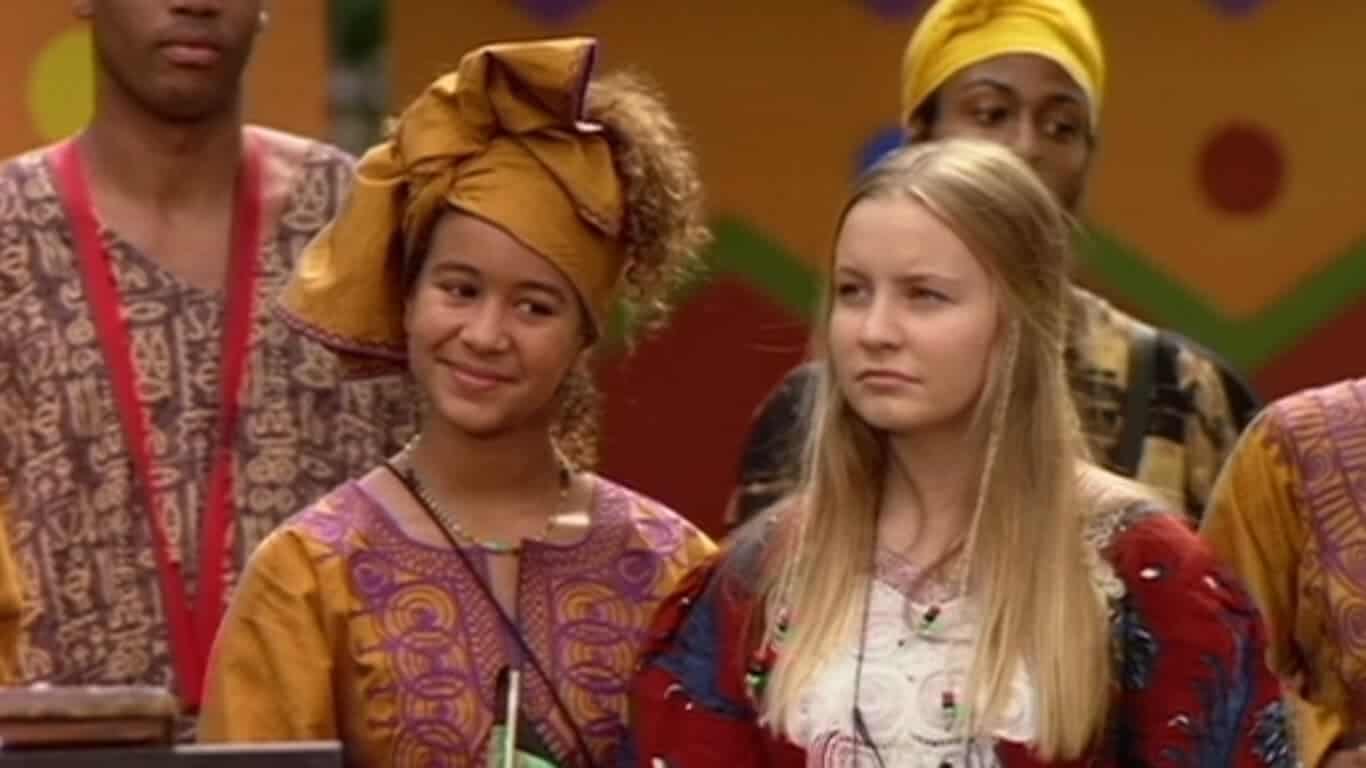
Back in 2000, Disney Channel dropped a movie that felt way heavier than their usual teen comedies. You probably remember it. Two girls from opposite sides of the world, a massive cultural clash, and the harsh reality of apartheid-era politics. It was called The Color of Friendship. Most people don't realize that it wasn't just a scripted drama meant to tug at heartstrings. It was real.
The movie was based on a short story titled "Simunye" by Piper Dellums. Piper is the daughter of Ron Dellums, a legendary Congressman from California who was a fierce opponent of the South African apartheid regime. The color of friendship true story is actually more nuanced—and in some ways more intense—than the TV version we saw as kids.
Basically, it's about what happens when high-level politics hits the dinner table. In 1977, the Dellums family decided to host an exchange student. They expected a Black South African girl. They wanted to provide a sanctuary. Instead, they got Mahree Bok (her real name was Carrie), a white South African whose family was deeply embedded in the systemic oppression Ron Dellums was fighting against in Washington.
The Shock of the Arrival
Imagine the scene at the airport. You're a Black family in America, deeply involved in the civil rights movement. You’ve prepared your home for a "sister" from the motherland. Then, out walks a blonde girl who has never seen a Black person in a position of authority in her entire life.
It wasn't just a "whoops" moment. It was a massive security and political risk. Ron Dellums was a public figure. At the time, he was pushing for sanctions against South Africa. Bringing a white South African into his home—someone who might report back to a pro-apartheid government—was genuinely dangerous.
Piper Dellums has spoken about this in interviews over the years. She describes the initial tension as thick. It wasn't just "mean girl" energy; it was a fundamental breakdown of reality. Carrie (Mahree in the film) had been raised to believe Black people were intellectually inferior and socially subservient. Seeing Ron Dellums, an articulate, powerful Congressman, shattered her worldview instantly. She retreated. She stayed in her room. She wouldn't eat.
Beyond the Disney Script: The Political Backdrop
The film simplifies things for a TV-G audience, but the color of friendship true story happened during one of the most violent periods of South African history. 1977 was the year Steve Biko, a leader of the Black Consciousness Movement, was murdered in police custody.
In the movie, we see the girls react to the news of Biko’s death. In reality, the impact was even more profound. Ron Dellums was receiving classified briefings about the brutality of the South African police. He was seeing the photos. He was reading the reports. And in the next room, there was a girl whose father was a police officer in that very system.
It’s easy to look back and think, "Oh, they just needed to talk it out." Honestly, it was much harder than that. It required the Dellums family to show an almost superhuman level of grace. They had to separate the child from the system. They had to realize that Carrie was a product of brainwashing.
Why the Name Change?
You might wonder why the movie used the name Mahree instead of Carrie. Usually, this happens for legal or privacy reasons in biographical films. While the Dellums family was very open about their experience, the real "Mahree" has stayed largely out of the public eye as an adult.
Piper’s original story, "Simunye," which means "we are one" in Zulu, focuses heavily on the spiritual and emotional connection they eventually formed. It wasn't just about becoming friends; it was about the total deconstruction of a racist upbringing.
What Actually Happened When She Went Back?
The most heartbreaking part of the color of friendship true story is the ending. In the movie, Mahree goes back to South Africa, sees a "Simunye" vest, and we get a sense of hope.
The reality was grimmer. When Carrie returned to South Africa, she was effectively an alien in her own home. She had been "corrupted" by American democracy and equality. She tried to tell her family and friends that everything they believed was a lie.
She was met with silence. And worse, she was met with state surveillance.
Piper has shared that when Carrie went back, she became an activist in her own right. She didn't just go back to her old life. She started working within the anti-apartheid movement. But the cost was high. She was eventually cut off from the Dellums family for a long time because the South African government was monitoring her mail and phone calls.
The Legacy of Ron Dellums
To understand the weight of this story, you have to understand Ron Dellums. He wasn't just a background character. He was the man who eventually authored the Comprehensive Anti-Apartheid Act of 1986.
He fought Ronald Reagan on this. Reagan actually vetoed the bill, but Congress—led by Dellums' passion—overrode the veto. It was a massive turning point in global politics.
The fact that he was doing this while hosting a white South African student shows the depth of his character. He wasn't just a politician; he lived his values. He didn't kick the girl out. He didn't treat her with the same disdain her country treated his people. He gave her a seat at the table. Literally.
Why People Still Search for This Story
We live in a time where everything feels polarized. People look at the color of friendship true story because it offers a template for impossible conversations.
It’s not a story about "ignoring color." It’s the opposite. It’s about acknowledging the color, the history, the pain, and the systemic oppression, and then choosing to humanize the individual anyway.
It’s also a reminder that Disney used to take big swings. They weren't always afraid of "political" content. This movie dealt with the murder of activists, the reality of police states, and the psychological toll of racism.
Common Misconceptions
- Was it a documentary? No, it’s a dramatization based on Piper Dellums’ life.
- Did they stay friends forever? They lost contact for many years due to the political climate in South Africa, but the impact was lifelong.
- Was Mahree's father really a monster? The movie portrays him as a man of his time—blinded by the system rather than a mustache-twirling villain. This reflects the reality of how systemic racism functions through "normal" people.
Actionable Takeaways from the Dellums Narrative
If you're looking to apply the lessons from this story to your own life, start with these perspectives.
Practice radical hospitality. The Dellums didn't just host a student; they hosted an ideology they hated. By doing so, they changed a life. Sometimes, the best way to defeat an enemy's worldview is to invite them to dinner and show them a different reality.
Understand the difference between the person and the system. Carrie was a teenager. She wasn't the architect of apartheid. Ron Dellums understood that he could fight the South African government while still being a mentor to a South African child.
Educate yourself on the real history. The movie is a great jumping-off point, but the actual history of the anti-apartheid movement is much more complex.
- Read Ron Dellums' autobiography, Lying Down with the Lions.
- Look up Piper Dellums' writing and her retelling of "Simunye."
- Research the 1976 Soweto Uprising to understand the environment Carrie left behind.
The real story of these two girls isn't just a feel-good Disney ending. It's a testament to the fact that change is slow, painful, and requires a lot of uncomfortable conversations. But it also proves that no one is beyond the reach of the truth if they are willing to listen.